
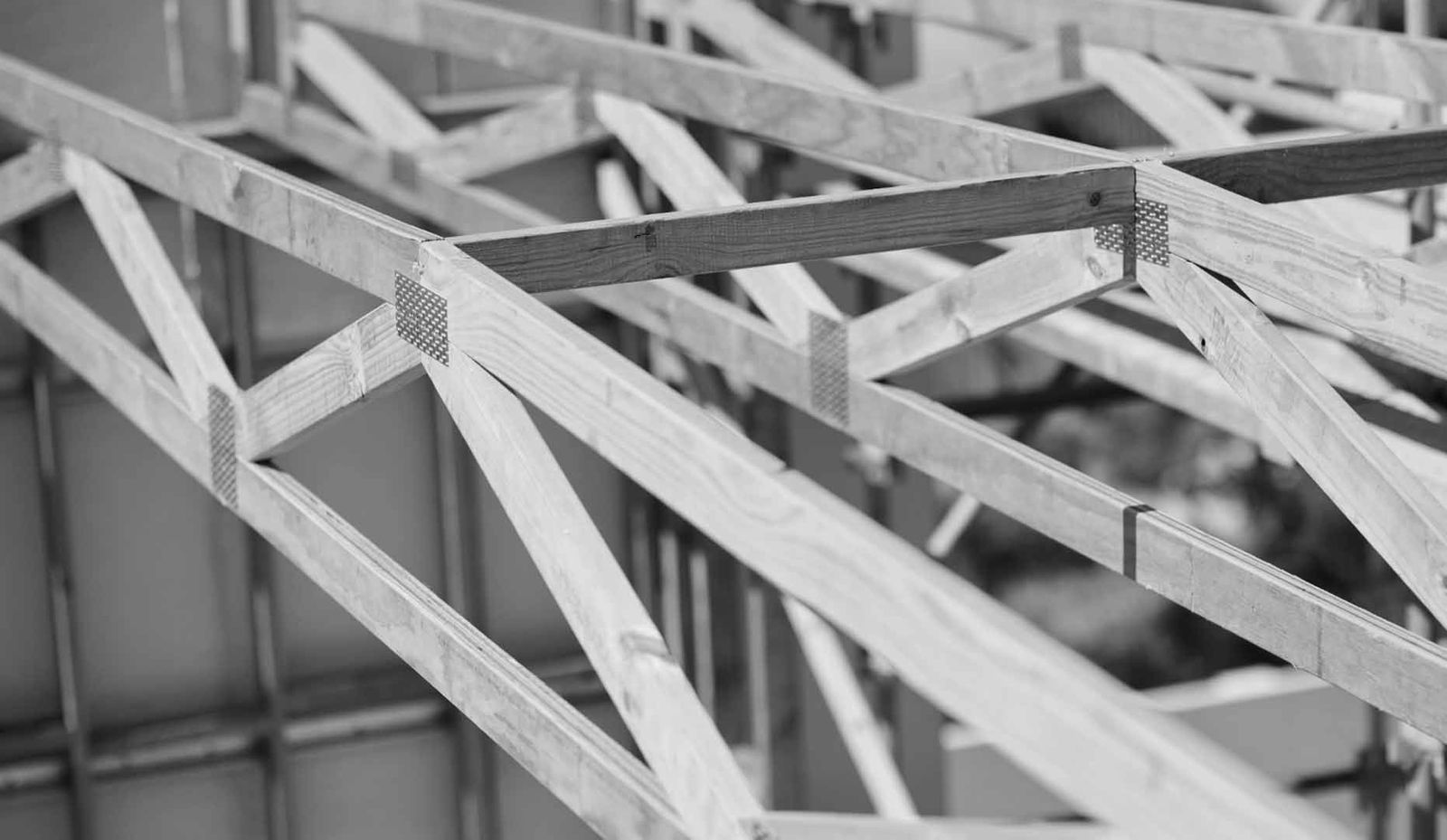

We’re yelling timber
When it comes to residential construction, there is a lot riding on your choice of materials and processes. While concrete and timber framework have long been industry standard, there are a swelling number of reasons why the building industry is moving towards timber framework. Timber offers positive impact across your build time, waste and profit – and even has massive upside for our planet. We’ve found three key research backed statistics, which help paint some of the picture of why timber is the superior choice.

1. 40% faster construction
Time on-site directly impacts your bottom line. The structural building phase for residential homes using timber frames takes an average of just 113 days. This makes it roughly 40% faster than concrete (which averages 190 days) and 28% faster than steel (157 days). Choosing timber means you can progress through the build schedule much quicker and hand over the keys sooner.
2. 26% reduction in energy demand
Timber is naturally thermally superior to metals like steel, which are highly conductive and prone to thermal bridging. By combining low-mass timber framing with high-quality insulation, researchers have achieved a 26% reduction in total annual heating and cooling demand when compared to traditional structures. This translates to long-term energy savings and more comfortable homes year-round.
3. 75% less embodied carbon
With the industry pushing towards greener building practices, sustainability is no longer optional. Changing to timber frames is proven to offer a massive 75% reduction in embodied carbon. Unlike the highly energy-intensive manufacturing processes required for concrete and steel, timber naturally stores CO2. This makes it a faster, more sustainable, and environmentally responsible alternative.


